Sydney & NSWclients@washdown.com.au
COMMERCIAL PRESSURE CLEANING

FIRE & FLOOD REMEDIATION

Fire & flood remediation cleaning in Sydney.

Washdown assesses enquiries for cleaning soot, silt and residue after fire or flooding across Sydney and surrounds. Tell us what happened, which surfaces are affected and what is known about site access so a suitable cleaning scope can be considered.

Request a site quote

SYDNEY & SURROUNDS · APPROX. 250 KM

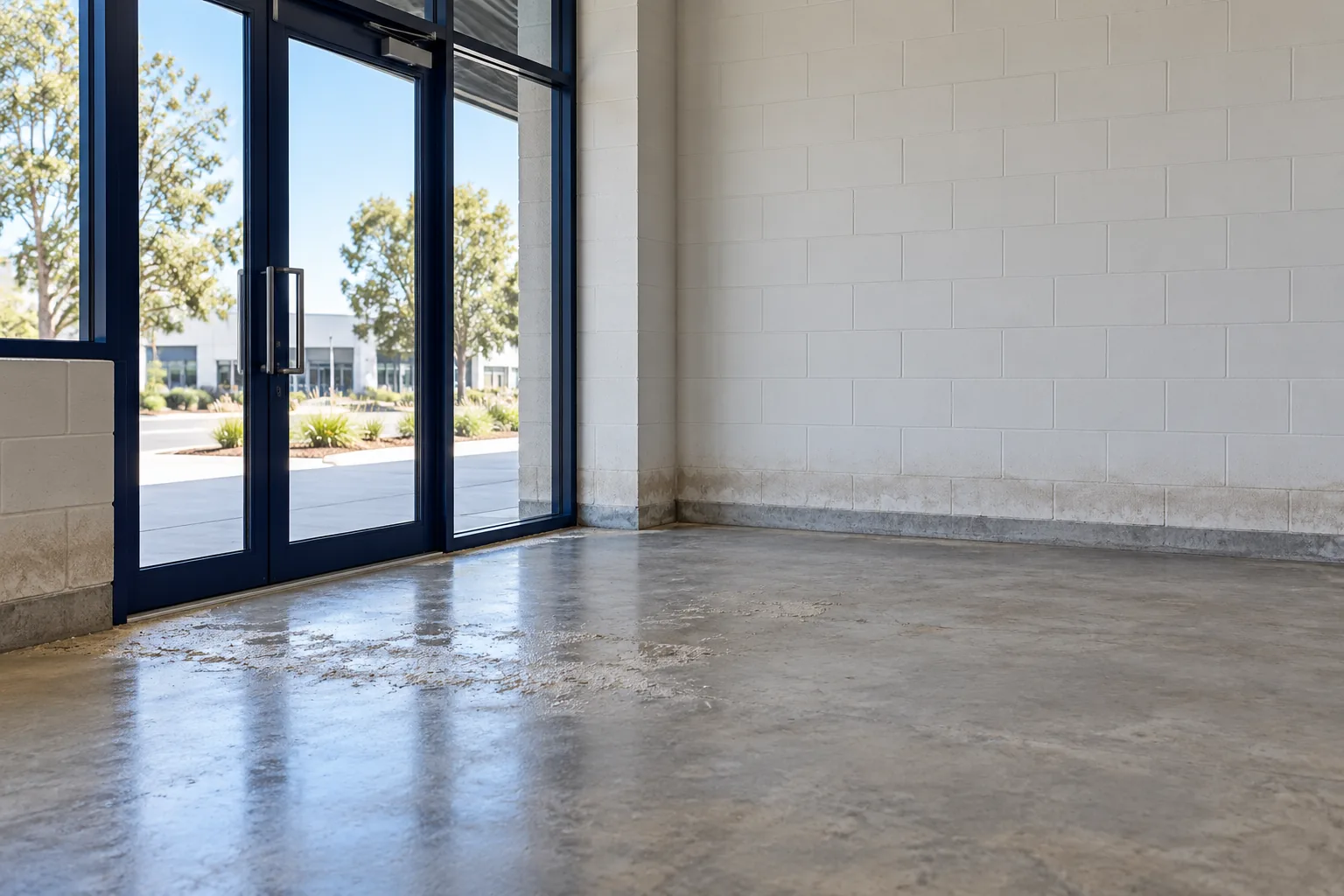
Representative illustration of an empty room with flood residue on the floor
AI-generated representative illustration

THE RIGHT APPROACH FOR YOUR SITE

A clear next step for affected surfaces.

Cleaning is one part of a recovery project. The first discussion needs to establish what has affected the property, whether access has been cleared and what work has already been assessed or completed. Our public service is a scoped surface-cleaning enquiry, not a promise of emergency response or full property restoration. Structural, electrical and hazardous-material concerns need the appropriate specialist assessment before cleaning arrangements can be agreed.

Discuss your property

01 / THE CLEANING SCOPE

WHAT NEEDS
ATTENTION?

Start with the surfaces and areas you need cleaned. We confirm the suitable method and agreed scope for your site.

01

Soot & surface residue

Describe the affected surfaces and the type of residue left after the incident. Material, condition and access all affect whether cleaning can be considered. The assessment must distinguish surface residue from damaged finishes or building materials that require repair, replacement or specialist advice.

02

Silt on suitable hard surfaces

For flood-related enquiries, identify the paths, yards or other hard surfaces where silt and residue remain. Share known information about the incident and any contamination concerns. The proposed cleaning is assessed against those conditions; flood-affected material is not automatically treated as ordinary dirt.

03

Accessible external areas

Tell us which external areas have been made available for assessment and who controls site access. Include adjacent buildings, equipment and restricted zones. A cleaning scope can only be agreed once the relevant site conditions and access requirements are understood by the people coordinating the work.

04

Defined stages within recovery work

If other contractors are involved, identify where surface cleaning fits into the agreed programme. We can discuss a specific stage once preceding assessments or work have been addressed. The quote should name the surfaces included and make clear which tasks remain with other specialists.

02 / PLAN THE WORK

A CLEAN THAT
FITS YOUR SITE.

Good preparation starts with a clear picture of the property, its surfaces and the way people use it.

Tell us about your site
  1. Explain the incident & current status

    Provide the location, what occurred, the affected areas and details of any assessments already available. Identify the person authorised to coordinate access. Only supply photos you can obtain safely; do not enter a damaged or restricted area to prepare a cleaning enquiry.

  2. Identify specialist work first

    Disclose known or suspected hazards, contamination and damage before work is scoped. Electrical, structural and hazardous-material matters require appropriate professionals. Surface cleaning does not establish that a building is safe to enter or occupy, and it does not replace the assessments required for the recovery project.

  3. Agree boundaries & documentation

    Ask for the specific cleaning areas, exclusions, access arrangements and any agreed completion records to be set out in the quote. Incident conditions can affect both suitability and timing. Any assessment of insurance coverage or approval of recovery work remains separate from the cleaning enquiry.

03 / GOOD TO KNOW

YOUR QUESTIONS.
CLEAR ANSWERS.

More to discuss? Include your site details in an enquiry so we can work through the specifics.

Is this an emergency response service?

This is an enquiry service for an assessed cleaning scope. Immediate attendance, emergency response and a completion date are not promised. Follow the directions of emergency services and the authorities managing the incident; contact Washdown to discuss cleaning only when the site’s status is understood.

Does remediation mean you restore the whole property?

The advertised scope is assessment of soot, silt and residue cleaning on suitable surfaces. It does not automatically include structural repairs, electrical work, drying, hazardous-material removal or a clearance for occupation. Any additional requirements need to be identified and referred to appropriate specialists.

Can cleaning begin before the site has been assessed?

Relevant hazards and access restrictions need to be addressed before cleaning can be agreed. Tell us who has assessed the property and share the available findings. Do not enter damaged buildings or disturb suspected hazardous materials in order to provide information for a quote.

Can you guarantee that all staining or damage will be removed?

No. The incident, surface material and condition affect what cleaning can achieve. Some residue may be unsuitable for ordinary cleaning, and damaged finishes may need repair or replacement. The assessment and written quote should explain the proposed work and its limitations.

What should I send with a fire or flood cleaning enquiry?

Include the address, incident details, affected surfaces, known hazards, current access status and the coordinating contact. Add existing reports or safe-to-obtain photos when available. Washdown considers suitable enquiries across Sydney and surrounds, with scope, availability and timing confirmed before any booking.

LET’S GET STARTED

YOUR NEXT CLEAN
STARTS HERE.

Send your location, the areas to clean and any access or timing requirements. We’ll follow up to discuss the scope and quote.

Get a fire & flood remediation quote clients@washdown.com.au

Submitting an enquiry does not confirm a booking.